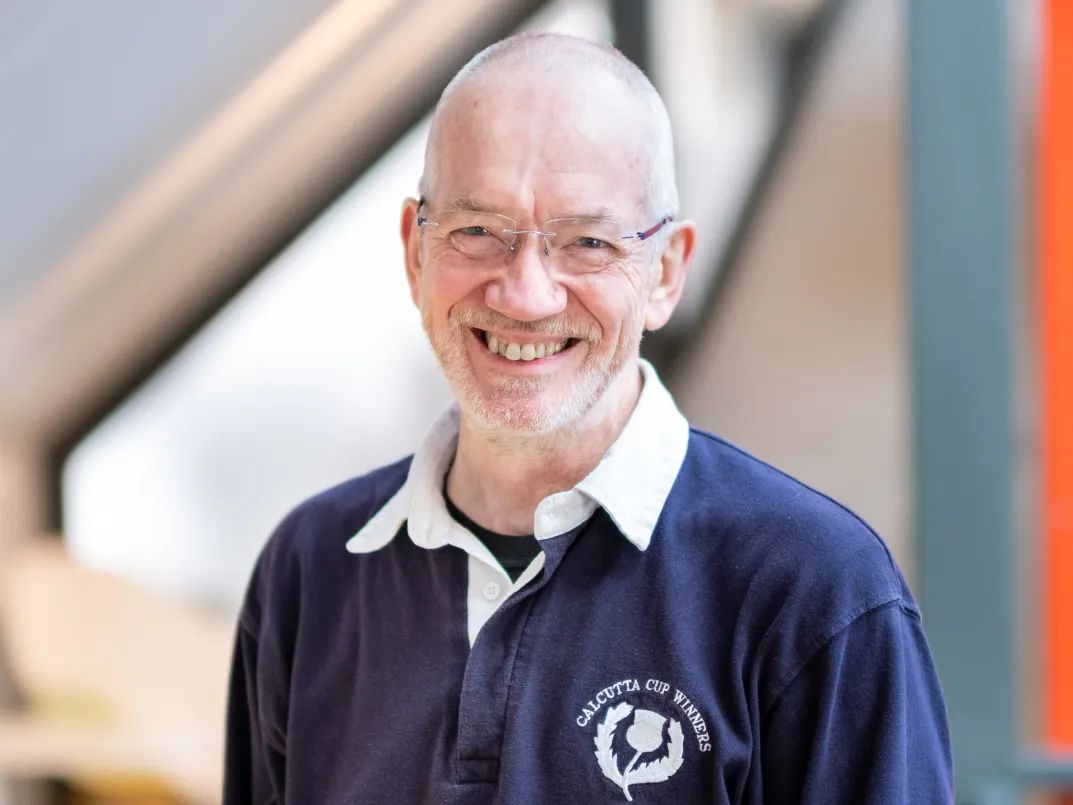
Scott Jones is senior expert advisor at Oslo Analytica and associate professor II at Oslo New University College, in addition to his position as Co-Director of Mind the Gap. He is a trusted international facilitator, researcher and evaluator for governments, the UN, European Union, central banks, corporations, research institutes, local authorities, and community groups.
Dr. Scott Jones has worked with many international development projects worldwide. In the past two years he has worked with evaluations, humanitarian assistance and conflict management in the Middle East, including the Syrian border, and in Somalia; with ministers, agencies and communities in Sierra Leone, Eritrea, Kenya, and Sabah; with local people and government researchers on sustainable farming in the dry lands of Ethiopia, Mali, and Sudan; and in a variety of European contexts. His main areas of expertise are:
- Environment: climate change, forestry, fisheries, mining, water, wildlife, protected areas, and biodiversity.
- Conflict analysis and management. Specialist areas in gender and in environment
- Coaching, personal development, working with resilience and calm
- Gendered aspects of conflict management and peace building
- Programme and project management
- Leading and managing change
- Ecological restoration
- Diversity
He is a trained counsellor and advanced coach (executive and life coaching) who has worked as a nurse and hospital manager; in public health; mother and child health; as a volunteer nurse and development worker in East African famines, and as a pilot after receiving a Royal Air Force scholarship.
As a restoration ecologist, Scott works closely with local people and government authorities, specialising in arid areas and restoration of African mountain forests. He recently evaluated 23-year old permanent plots from his research in Eritrea. Inter-planting native olive and juniper with fast growing species enabled a rapid economic return while native trees fully established. Results were positively assessed by local people, with 85% survival and a range of sustainable outcomes for communities and local economies, climate mitigation, soil and water conservation, and biodiversity. For more information, see our 2016 report A Successful New Approach to Improving Livelihoods in Degraded East African Highlands.
COUNTRY EXPERIENCE
- Africa: Cameroon, Egypt, Ethiopia, Eritrea, Ghana, Kenya, Malawi, Sierra Leone, Somalia, South Africa, Sudan (5 states), Tanzania (mainland and Zanzibar)
- Americas & the Caribbean: Belize, Canada, Costa Rica, Guatemala, Mexico, USA
- Asia & the Pacific: Afghanistan, Australia, Fiji, India (7 states), Indonesia, Malaysia, Papua New Guinea, Thailand, Vanuatu
- Europe: Austria, Belgium, Croatia, Bulgaria, Czech Republic, Denmark, Estonia, France, Finland, Germany, Ireland, Italy, Netherlands, Norway, Poland, Portugal, Romania, Slovakia, Slovenia, Spain, Switzerland, UK
- Middle East: Israel, Lebanon, Palestinian Settlements and Gatherings
Related articles
-
Call for Research Papers: Together for Peace (T4P) Research on Positive Peace Learning Outcome Assessment
Led by Torstein Dale-Åkerlund, Bjørnar Østby and Scott Jones, ONH has helped UNESCO to develop a “Call for Research” on Peace Education. Our three main goals now are to …
-
Discarded women in Nakuru – the largest urban settlement in Kenya’s beautiful Rift Valley
As Kenya elects a new government, at least one group of the governed are not expecting much change; the young women - single mothers through violence or …